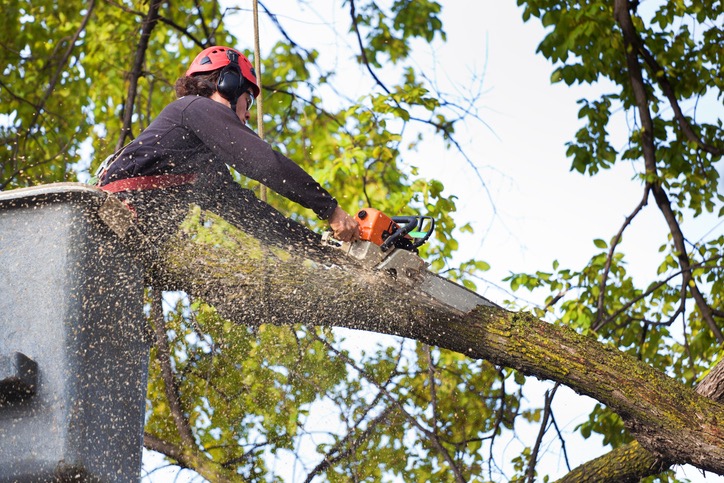
Tree care is a vital consideration for homeowners and property managers in maintaining both the health of their landscape and the safety of their property. When looking at trees that seem diseased, overgrown, or potentially hazardous, the main options available are professional pruning or complete tree removal. Understanding how an arborist decides which route to take can help you make informed decisions about your property’s trees, ensuring both safety and the long-term health of your landscape.
Identifying Warning Signs: When Should You Be Concerned?
Before a decision between tree removal and professional pruning is made, a thorough assessment of your tree’s health and structural stability is critical. Here are some common indicators that may prompt a call for professional inspection:
-
Large dead branches, especially those over areas like driveways, homes, or play spaces
-
Leaves that thin, discolored or falling off at unusual times of year
-
Visible cracks or splits in the trunk or major limbs
-
Significant leaning or roots lifting out of the ground
-
Fungal growth at the base or along the trunk
In Oakland County, changing seasons, heavy snow, and frequent winds can compound these risks, making timely intervention even more important for local residents.
Deciding Between Professional Pruning and Tree Removal
Arborists weigh several key factors when determining whether pruning or removal is best for a tree. Professional tree removal is the option chosen when a tree poses an immediate risk to people, buildings, or utility lines, or when it is irreparably diseased or dead. In contrast, professional pruning is generally chosen to mitigate hazards, improve structural integrity, or enhance aesthetic value, provided the tree remains fundamentally sound.
An arborist may choose to prune if:
-
The tree is healthy but has overgrown limbs threatening nearby structures
-
The structure of the tree can be improved for future resilience
-
Minor disease or damage can be successfully addressed through selective cutting
Tree removal becomes necessary if:
-
The tree is dead or dying, with no chance of recovery
-
Extensive root decay or trunk damage threatens immediate collapse
-
Severe disease could spread to other trees on the property
The Arborist’s Approach: Safety, Science, and Compliance
A reliable arborist considers not only the obvious symptoms but also local climate conditions, soil health, and the tree’s placement on your property. In Oakland County, professional assessments take into account common local tree species like oaks, maples, and pines, all of which can suffer from region-specific pests and diseases. Certified specialists prioritize safety for occupants, neighbors, and public property when making recommendations.
State and county regulations also play a role in this decision-making process. For example, some protected species or trees located near public right-of-way require special permits for removal. Discussing these factors with a knowledgeable arborist ensures every step follows local regulations and landscape best practices.
What to Ask Your Arborist Before Making a Decision
When meeting with a tree care professional, consider discussing questions such as:
-
What are the benefits and risks of pruning versus removal for this specific tree?
-
Does the tree have historical, environmental, or property value worth preserving?
-
What measures can be taken to prevent future issues for other trees on my property?
-
How will seasonal conditions in Michigan impact the best time for pruning or removal?
Open, detailed communication helps you collaborate with your arborist to find the safest and most cost-effective outcome for your landscape.
Contact Tree Pros, LLC Today for Expert Guidance
If you’re in Oakland County or the surrounding Michigan communities and need a professional assessment for the trees on your property, Tree Pros, LLC is ready to help. Our team offers comprehensive tree removal and tree pruning & trimming services, always prioritizing safety, local compliance, and your property’s unique needs. To schedule a visit or request a quote, call us today at (248) 672-8058 or fill out our online form. Keep your trees and your family safer, season after season.