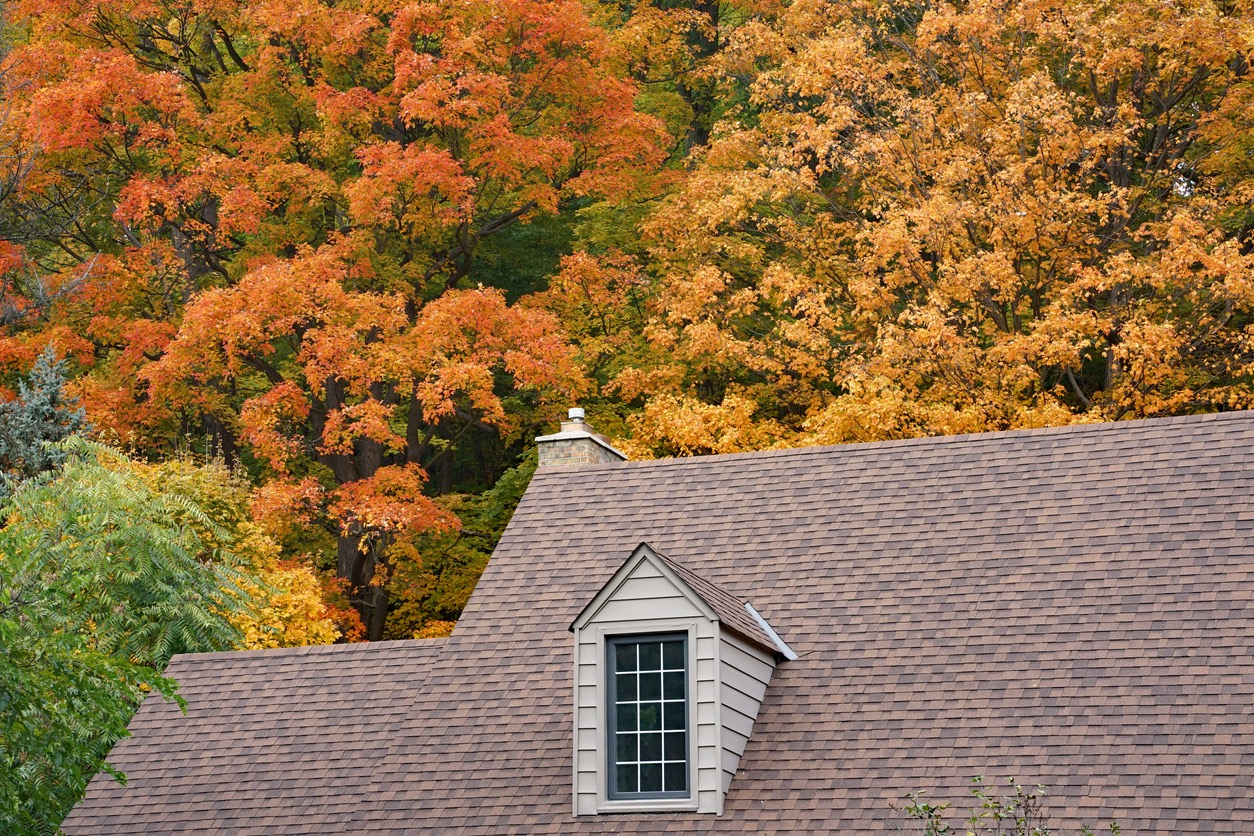
When autumn arrives in East Helena, the vibrant colors and crisp mornings serve as a reminder that harsh Montana winters are just around the corner. As a homeowner, ensuring your roof is prepared for snow, wind, and freezing temperatures is crucial to protecting your investment. Before the first snow falls, take the time this fall to perform a thorough inspection. Addressing potential roof issues now can prevent costly water damage and energy loss over the coming months.
Inspect Shingles for Damage or Wear
Start with a careful visual assessment of your shingles. Montana’s year-round weather extremes, from beating summer sun to spring hail, can leave shingles cracked, curling, or missing granules. If you notice shingles that are broken, loose, or entirely absent, these areas are susceptible to leaks once the snow and ice arrive.
Common signs of shingle trouble include:
-
Discoloration or noticeable bare patches
-
Edges that look warped or curled
-
Small piles of granules in the gutters
Replacing damaged shingles before winter ensures your roof remains watertight and structurally sound.
Check Flashing and Sealants for Weak Points
Roof flashing and sealants are critical barriers that keep moisture out where roof sections join, such as around chimneys, skylights, and vents. In Montana’s freeze-thaw cycles, flashing can bend or pull away, and old caulking may crack or separate, creating pathways for water intrusion.
Walk your roof and:
-
Inspect metal flashing for rust or lifting edges
-
Examine caulking and sealants for gaps, cracks, or separation from surfaces
When you catch these issues early, you minimize the risk of leaks and interior water damage through the winter.
Look for Signs of Existing Storm Damage
East Helena has experienced its share of hail and heavy winds, especially during spring and summer storms. Even if you did not notice immediate problems, hidden roof damage can surface months later. Loose or punctured shingles, dented soft metals, and soft spots on decking are strong indicators of recent storm impact. As you check the roof, also examine the attic for water stains, mold, or daylight coming through. Swiftly addressing storm damage with residential roof repair helps ensure your roof is up to the challenge of winter weather.
Evaluate Potential Leak Points Around Roof Penetrations
Every vent pipe, exhaust stack, or satellite bracket that travels through your roof is a potential weak point. The flashing and boot seals around these penetrations can deteriorate with exposure and age. This can result in water seeping beneath shingles and into your home’s structure when snow melts.
During your fall inspection:
-
Check each penetration for secure, properly seated flashing
-
Look for torn or rotted rubber boot covers
-
Replace compromised materials before winter arrives
Timely maintenance improves your home’s defense and extends the service life of your roof.
Why Fall Roof Inspections Matter for Montana Homes
Montana winters are notoriously unpredictable, often bringing heavy snowfall overnight and extended cold snaps. A compromised roof can allow ice dams to form, leading to leaks and structural deterioration. Proactive fall inspections give you the chance to schedule roof replacement or targeted repairs before the busy winter season and before minor issues escalate into costly problems.
Schedule Your Montana Roof Inspection with Christofferson Construction LLC
It’s not too late for East Helena homeowners to ensure a strong, reliable roof before winter sets in. If you discover any issues during your fall check, or if you would prefer a professional assessment, turn to Christofferson Construction LLC. Our team specializes in residential roof repair and roof replacement tailored for local Montana weather. Call us at (406) 422-5085 or fill out our online form to schedule your inspection and enjoy peace of mind throughout the season.